
How to Reconstitute Lyophilized Research Peptides
The general laboratory procedure, step by step — with the technique details that protect your material.
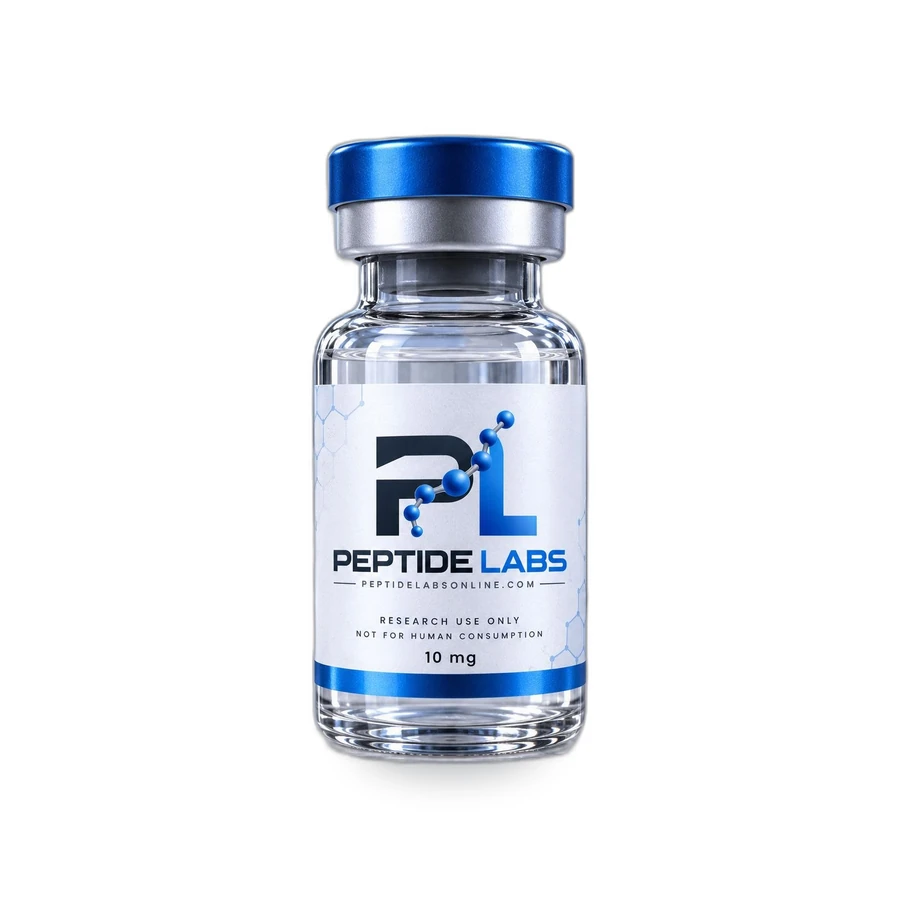
Lyophilized (freeze-dried) peptides ship as a fine powder or a barely visible film at the bottom of the vial. Before they can be used in most laboratory work they are reconstituted — dissolved into a liquid. This guide covers the general procedure and good aseptic practice. It is reference material for researchers and contains no dosing information of any kind.
What you need
- The lyophilized peptide vial, at room temperature
- An appropriate diluent — most commonly bacteriostatic water for research applications
- A sterile syringe and needle
- Alcohol wipes and a clean, draft-free work surface
Step by step
- Let the vial reach room temperature. Reconstituting cold, straight from storage, encourages condensation. Give it time to equilibrate.
- Sanitize. Wipe the rubber stopper of both the peptide vial and the diluent with an alcohol swab and let them dry.
- Draw your diluent. Withdraw the volume of bacteriostatic water your protocol calls for into the syringe.
- Add it slowly. Insert the needle at an angle and let the diluent run down the inside wall of the vial rather than blasting directly onto the powder. This protects the fragile peptide from mechanical shear.
- Dissolve gently. Do not shake. Swirl slowly, or leave the vial to stand, until the solution is completely clear. Full dissolution can take a few minutes.
- Inspect. A properly reconstituted solution is clear and particle-free. Cloudiness or persistent particulate is a reason to stop and reassess.
After reconstitution
Once in solution, peptides are far less stable than in their lyophilized state. Reconstituted solutions are generally kept refrigerated and used within a limited window; for longer projects, aliquoting and freezing is common to avoid repeated freeze–thaw cycles. Always follow the storage guidance for the specific compound. Our storage and handling guide goes into more detail.
A note on why technique matters
Peptides are delicate molecules. Rough handling — vigorous shaking, direct high-pressure streams, repeated freeze–thaw — physically degrades them and undermines the very purity you paid for. Slow, clean, gentle technique is the difference between reliable results and wasted material.
This article is for laboratory research reference only. It is not medical advice and describes no use in humans or animals.